
The Benefits of Professional Remodeling: Why Choose Mountain Remodeling?
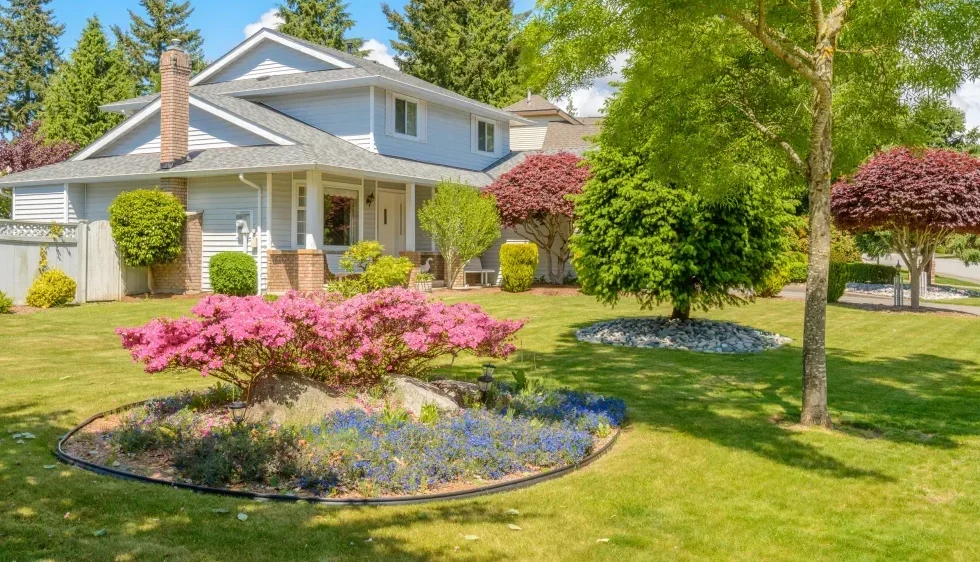
Hiring professionals for remodeling projects ensures quality results and a stress-free experience. This article can outline the advantages of working with Mountain Remodeling, from expert craftsmanship to personalized designs. Highlight how their team handles everything from planning to execution, ensuring each project meets the highest standards. Include testimonials or examples of successful transformations to inspire potential clients.
Walk-In Shower Ideas for Small Bathrooms That Maximize Space and Style
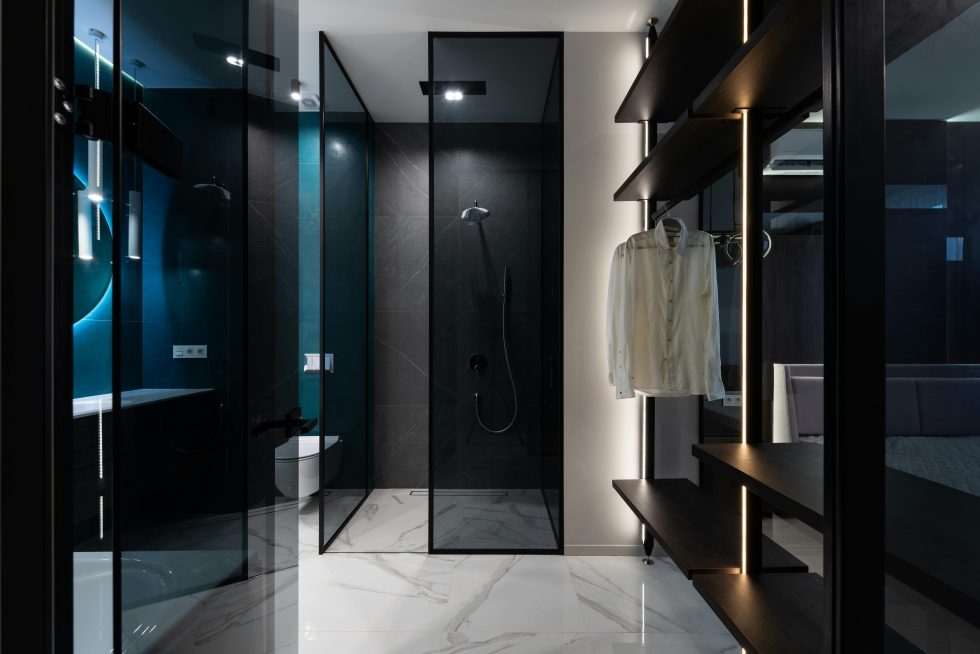
Think your bathroom is too small for a walk-in shower? Think again. With the right layout, materials, and design tricks, you can transform even the most compact space into a spa-like retreat. Whether you’re remodeling or just gathering inspiration, these walk-in shower ideas for small bathrooms will help you make the most of every square foot. Let’s break down how to create a stylish, functional shower—even if your bathroom isn’t exactly spacious. Why Walk-In Showers Work Well in Small Spaces Walk-in showers are more than just a modern upgrade. They can actually save space and create the illusion of more room. According to a 2023 report from Houzz, nearly 60% of homeowners remodeling a small bathroom opt to remove their tub entirely in favor of a walk-in shower. Why the shift? Because: Clever Walk-In Shower Ideas for Small Bathrooms 1. Go Frameless and Glass A clear glass enclosure instantly makes a room feel larger. Frameless glass is especially sleek and allows uninterrupted views of tile work or accents. Pro tip: Use one fixed glass panel and leave the shower partially open. This “wet room” look keeps things minimal without sacrificing function. 2. Corner Showers for the Win Installing your walk-in shower in a corner makes the most of underutilized space. Combine it with a curved or angled glass wall for smooth traffic flow—especially important in tight layouts. Consider a neo-angle shower design, which softens the footprint while still offering elbow room. 3. Tile to the Ceiling Using the same tile from floor to ceiling draws the eye upward, making the room feel taller. Lighter colours, such as white subway tile or soft beige stone, reflect light and open things up. If you want visual interest without clutter, consider vertical accent tiles or a mosaic niche for your shampoo and soap. 4. Built-In Storage Is a Must Avoid adding clunky storage racks. Instead, recess shelves into the wall. A built-in niche keeps essentials handy without sticking out—and it looks polished. Even one small corner shelf can go a long way in keeping your walk-in shower tidy and efficient. 5. Level the Floor (Curbless Design) Removing the threshold creates a seamless transition from bathroom floor to shower, which is both stylish and accessible. This curbless or zero-entry design is especially helpful for: Make sure your contractor installs the proper slope to direct water to the drain. 6. Opt for a Rainfall Showerhead Want luxury in a small footprint? A rainfall showerhead mounted overhead delivers a spa-like feel without taking up sidewall space. Pair it with a handheld sprayer for versatility without crowding the design. 7. Use Mirrors and Lighting Strategically Adding a large mirror near or across from your walk-in shower doubles the visual space. Combine it with LED lighting, skylights, or even backlit mirrors to create brightness and depth. Natural light—if available—is a bonus. If not, go for cool white lighting to mimic it. Materials That Work Best in Small Bathrooms When space is limited, your material choices matter. Here are some smart options: Quick Layout Tips Here’s how to rethink your bathroom’s footprint: Final Thoughts A small bathroom doesn’t have to mean a cramped shower experience. With the right approach, a walk-in shower can actually make your space feel bigger, brighter, and far more enjoyable to use. Whether you’re working with a tiny ensuite or a compact guest bath, these walk-in shower ideas for small bathrooms prove that great design has no size limit. Take your time to plan, explore visuals, and speak to a remodeling pro about what’s feasible for your space. The right walk-in shower can completely change how you feel about your bathroom—and your mornings.
Energy-Efficient Home Remodeling: Smart Upgrades That Save Money and the Planet
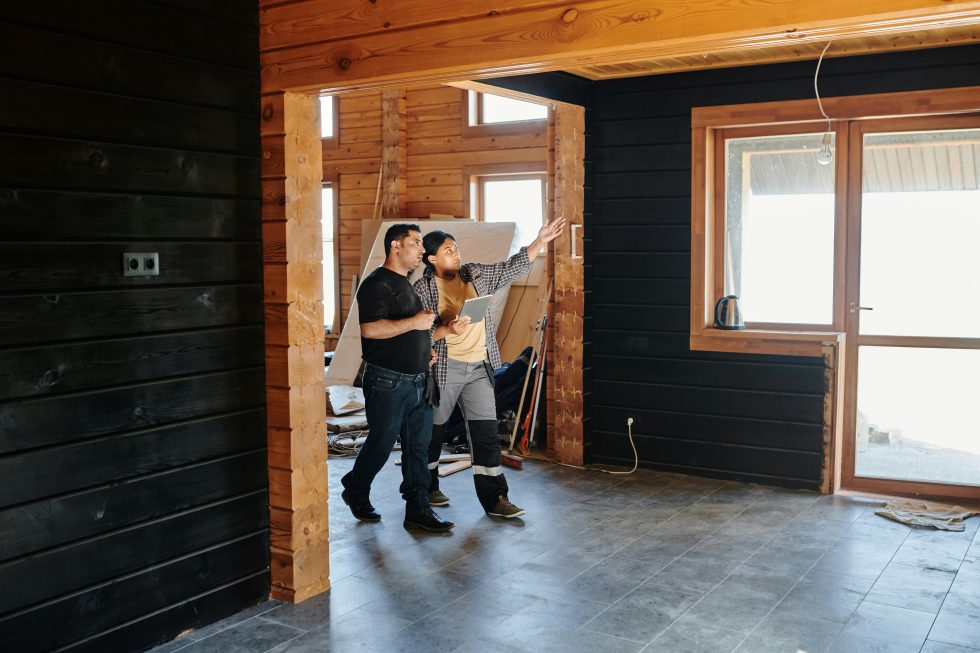
If your utility bills keep climbing or your home feels drafty even with the heat on, it might be time to rethink your space. Energy-efficient home remodeling isn’t just about going green—it’s about saving money, improving comfort, and making your home work smarter for you. Today’s homeowners are looking beyond granite countertops and open floor plans. They want spaces that are beautiful and efficient. With the right upgrades, you can reduce your environmental footprint while increasing your home’s value and long-term performance. Let’s explore how energy-efficient remodeling can completely transform your home—for the better. Why Energy Efficiency Matters in Remodeling According to the U.S. Department of Energy, the average household spends over $2,000 a year on energy bills—nearly half of which goes to heating and cooling. The good news? A few smart changes can cut that figure dramatically. Energy-efficient upgrades can: In fact, the National Association of Home Builders (NAHB) reports that 9 out of 10 homebuyers prefer energy-efficient homes, even if it means a higher upfront cost. Best Energy-Efficient Remodeling Ideas Insulation Upgrades Proper insulation is the foundation of any energy-efficient home. During a remodel, upgrading insulation in the attic, walls, or basement can significantly reduce heat loss and maintain a steady indoor temperature. Look for eco-friendly insulation materials like: Energy-Efficient Windows Old, drafty windows are a major source of heat loss. Replacing them with double or triple-pane windows that feature low-emissivity (Low-E) glass helps regulate indoor temperatures and blocks harmful UV rays. Added bonus: better sound insulation and improved curb appeal. Smart Thermostats Installing a smart thermostat during your remodel is a small upgrade that makes a big impact. Devices like Google Nest or Ecobee learn your schedule and automatically adjust the temperature to save energy when you’re away. You can also control them from your phone—no more coming home to a house that’s too hot or too cold. High-Efficiency HVAC Systems If your heating or cooling systems are over 10–15 years old, consider upgrading to ENERGY STAR®-certified units. Modern HVAC systems are much more efficient and use less energy to do a better job. Ductless mini-splits, heat pumps, and zoned systems are especially useful if you’re remodeling only part of your home. LED Lighting and Efficient Fixtures Lighting may seem minor, but switching to LED bulbs throughout the house can reduce lighting-related energy use by up to 75%. They last longer, use less electricity, and come in a variety of styles to match any interior. Pair these with dimmer switches and motion sensors to save even more. Solar Power Integration If you’re planning a full home renovation or roof replacement, it’s the perfect time to consider adding solar panels. With federal tax credits and local incentives available, solar energy is more accessible than ever. Solar isn’t just sustainable—it can dramatically reduce or even eliminate your electric bill over time. Water-Saving Fixtures Energy efficiency isn’t limited to electricity. Water-efficient upgrades like low-flow toilets, showerheads, and faucets help conserve water and reduce the energy needed to heat it. These simple upgrades are inexpensive and qualify for many rebate programs in various states. Don’t Forget the Building Envelope The “building envelope” refers to everything that separates the interior of your home from the outside—walls, roof, windows, doors, and foundation. A tight envelope reduces drafts and prevents energy loss. During a remodel, air sealing with caulk or weather stripping is a low-cost, high-reward step you shouldn’t skip. How to Get Started with an Energy-Efficient Remodel You don’t have to do everything at once. Start with an energy audit from a qualified contractor to identify the biggest energy drains in your home. This gives you a roadmap for prioritizing upgrades based on your budget and goals. If you’re working with a team like Mountain Remodeling Services, they can guide you through the process—offering tailored solutions, suggesting eco-friendly materials, and helping you qualify for rebates or tax incentives. Final Thoughts Energy-efficient home remodeling is one of the smartest ways to upgrade your space. You’ll enjoy lower energy bills, a more comfortable living environment, and the peace of mind that comes with making sustainable choices. Whether you’re planning a full-scale renovation or just updating a few key areas, energy-efficient upgrades add real value—and make your home a better place to live. So go ahead, dream big—and remodel smarter.